
Joanne has been living with the aftereffects of facial palsy caused by multiple cavernoma in her brain. She struggled to access any follow-up care or support and would like to see more consistency in services for patients with facial palsy across the UK.
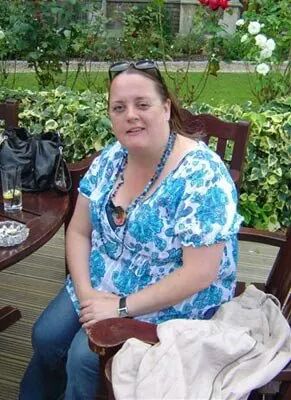
It was a Friday in May 2005 when I first approached my GP about some problems I was having with pain in my muscles. I was prescribed painkillers but by the next morning I had a very sore neck and didn’t feel well at all so I decided to go to the Emergency Department at my local hospital. The doctor there said I had a viral infection and he also said I had Bell’s palsy, this was the first I knew that there was anything wrong with my face. I was prescribed antivirals, steroids, anti-sickness medications and more painkillers but I wasn’t given any more information about the condition. My eye wasn’t too badly affected, it was really just my mouth and my forehead.
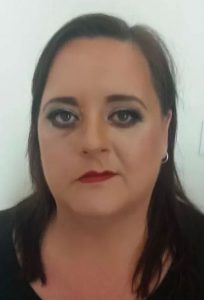
I saw my GP again on the Monday and I had a few sporadic appointments with the ENT department at the local hospital but all they could tell me was that my smile wasn’t getting any better and we will see you again in six months. I never received any scans or further investigations. There was no follow-up care, no rehabilitation plan, I was left to just get on with it. I had about three weeks off work in total, mainly due to the other effects of the viral infection, and then I was expected to go back to life as normal, just without my smile.
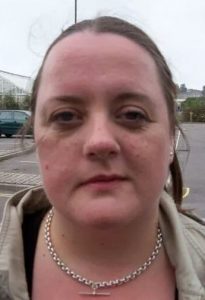
With Bell’s palsy it is shocking how little follow up care there is considering the overall impact the condition has on your life. The condition certainly knocked me off my feet and my life is now on a very different path to what it was ten years ago. It’s held me back socially; with the condition comes a great degree of shyness, you feel like you are holding back and it is difficult meeting new people. I try to jump in and explain about my condition before they ask questions, I feel like I am constantly fighting against it. I also find it more difficult applying for jobs, it has really knocked my confidence, and the same lack of confidence makes dating much more difficult. My behaviour completely changed as a result of suddenly not being able to smile. If this hadn’t happened to me then I know I would certainly be higher up the career ladder than I am today, I would have been more willing to push myself forward for interviews and opportunities. There is always this fear of judgement which is impossible to shake.
Five years ago I went back to my doctor and asked if I could have counselling, I was really struggling at this time. I rarely go to the doctors so it was quite a big thing for me to ask for help. All he would offer me was Prozac, and I walked out.
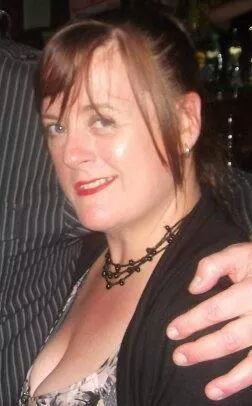
My best friend of 28 years tells me that this isn’t what I used to be like, she sees the changes in me. She said that going somewhere by myself would never have bothered me before Bell’s palsy. You are just left feeling completely zapped, I find it difficult to fend for myself in new situations. It has had a real impact on my independence.
Living in Northern Ireland it is really difficult to get access to the same services as people in the rest of the UK. There are pockets of the UK where people are getting really good follow up care for facial palsy and then there are other places where there is nothing at all. I would like to see reductions in this ‘inconsistency of care’.
Physically I have a problem with smiling, raising one eyebrow and opening my mouth wide. As I get older I am noticing I have more problems with drooling. People think that losing your smile is not a big issue but it’s not just about the facial palsy and what you look like, there is a significant impact on mental health. I am left with the feeling of ‘What if?’
Appropriate psychological support may well have helped me come to terms with the loss of my smile quicker but there seems to be a real lack of awareness about the condition. Health professionals and the general public need to look beyond the physical aspects to see the true impact of facial palsy.
Update July 2023
Well I’m now 49, so it has been nine years since I submitted my original story above. At that time I thought I had a permanent Bell’s palsy. In the interim nine years with the support and help of Facial Palsy UK I have been able to push for specialist help and investigation to my atypical facial palsy as I have always maintained control of my eye on my affected side.
I was seen by an ENT consultant with an interest in facial palsy who referred me for MRI. I was shocked at the results from this to discover that I had multiple (more than 20) cavernoma in my brain. On further discussion with my neurologist, he was reasonably sure that a cavernoma bleed caused my facial palsy as mine began with severe pain in the back of my neck. To find out I have these growths in my brain has been hard to reconcile with. Then further confirmation that I have the gene malformation that causes these cavernoma has created worry and upset throughout my family circle, but thankfully no others have the faulty gene. I want to end positively. Bar my facial palsy, these multiple brain growths have no impact on my day-to-day activity and I know what to be aware of for any changes. I am also now being seen by the appropriate medical specialists. It took 16 years for me to get a true diagnosis and I’ve learned a lesson that if you’re not happy to keep pushing!
 Update May 2025
Joanne’s condition has remained stable over the last few years. She continues to advocate for better care and support for patients with facial palsy across the UK and is the face of our Northern Ireland campaign – ‘Don’t face it alone’.
Disclaimer: Please note that views expressed are person’s own and should not be considered a recommendation of particular medical treatments, therapies or surgeries. We would always advise you seek advice from a health professional with experience in facial palsy who can assess your individual needs.